In a nutshell
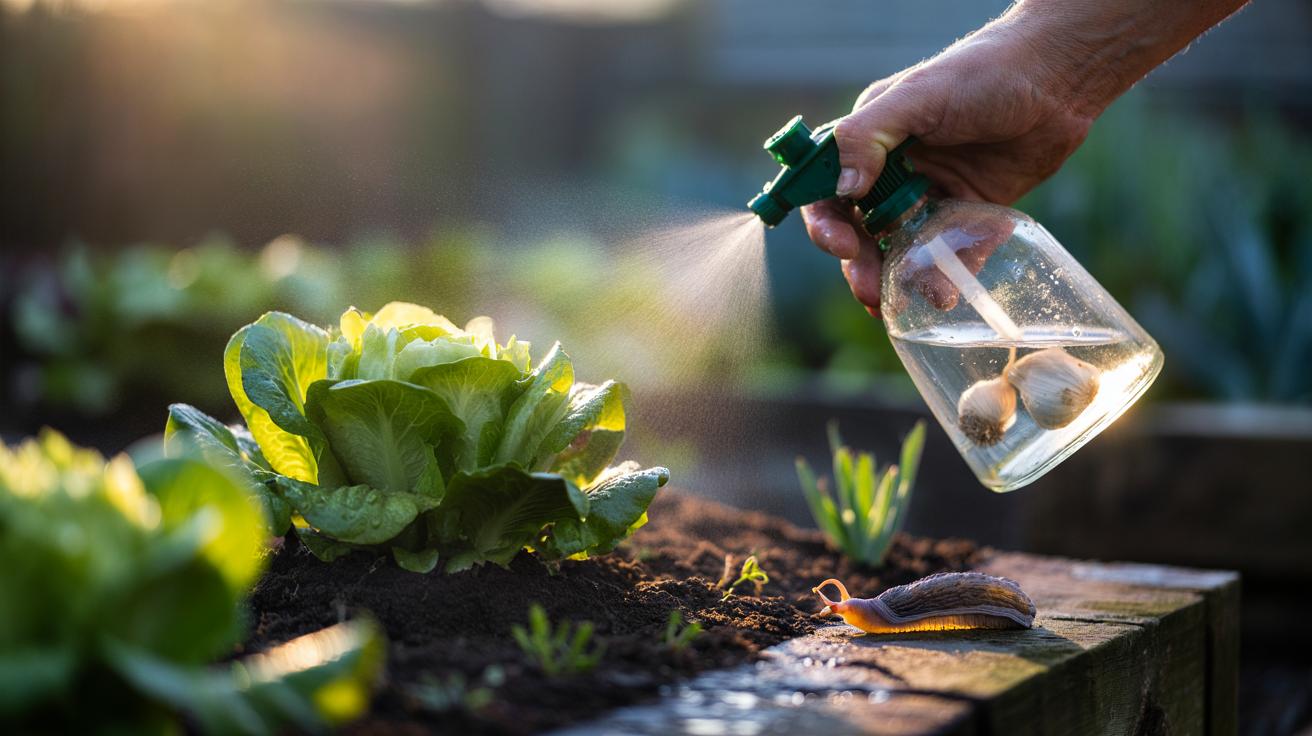
- 🥬 The £1 garlic hack: crushed and heated garlic releases allicin, creating a scent barrier that deters slugs without harming wildlife.
- 🧪 Make a garlic spray: simmer crushed cloves in water, strain, add a drop of mild soap; apply in the evening, reapply after rain, and avoid full sun to prevent scorch.
- 🛡️ Layered defence: pair garlic with morning watering, wider spacing, seedling collars, night hand-picking, and predator-friendly habitats for a wildlife‑friendly system.
- 📊 Compare options: beer traps, coffee grounds, and copper tape all work variably, but garlic stands out for low cost, speed, and easy iteration.
- 🧩 Myth-busting: damp eggshells rarely stop slugs; never use salt (harms soil); aim for layered, low-cost, repeatable tactics.
For salad growers across the UK, few sights are more dispiriting than a row of pristine lettuce reduced to lace overnight by hungry slugs. You can spend a fortune on deterrents, traps and barriers. You don’t have to. There’s a frugal, kitchen-cupboard fix many gardeners swear by: garlic. A single bulb, often under £1, can be transformed into a pungent shield that persuades nocturnal nibblers to go elsewhere. It’s quick to make, safe around edibles when used sensibly, and it doubles as a confidence boost for new growers. The goal isn’t to poison wildlife but to make your crop unappealing long enough for leaves to toughen up. Here’s how and why it works — plus what to pair it with for reliable, salad-saving results.
Why Slugs Target Lettuce and What Stops Them
Slug pressure peaks during mild, damp spells. Soft, tender lettuce is the perfect night-time buffet, rich in water and easy to rasp with a slug’s radula. Young transplants are especially vulnerable. The trick is to interrupt this predictable raid with smells and textures slugs dislike. Enter garlic. When crushed and heated, garlic releases sulphur-rich compounds such as allicin, creating a lingering scent that many molluscs avoid. It doesn’t need to be strong enough to knock you back; consistency matters more than intensity.
Gardeners report that a light, regular garlic spray around the base of lettuces nudges slugs towards less defended targets. It’s not magic; it’s behaviour. Slugs follow moisture gradients and chemical cues. If the boundary smells “wrong,” they pivot. Think of garlic as a polite but firm bouncer, not an executioner. That means fewer ethics worries, fewer residues, and less collateral damage to hedgehogs, birds and beetles that help you long term.
It’s also practical. A bulb stored in a cool cupboard gives you several rounds of deterrent for pennies. Even better, it integrates neatly with barriers and tidy watering habits, stacking benefits without stacking costs.
The £1 Ingredient: Garlic and How to Use It
Start with one average bulb of garlic. Break into cloves, crush with the flat of a knife, and simmer gently in 1 litre of water for 10–15 minutes. Let it cool, strain, and decant into a clean spray bottle. Add a drop of mild, biodegradable washing-up liquid if you want the solution to cling to leaves and soil. Always test on a spare leaf first to check for scorch, especially in hot weather.
Apply in the evening, misting the soil and the outer leaves around your lettuce plants rather than soaking hearts. Reapply lightly after heavy rain or every three to four days during peak slug activity. You’re creating a scented perimeter, not drenching dinner. Store any leftovers in the fridge for up to a week; after that, brew a fresh batch to keep the aroma lively. Do not spray in full sun; leaf scorch is possible when droplets act like magnifying lenses.
For transplants, pre-treat the planting hole with a quick spritz before firming in. For seedlings, combine the spray with small collars cut from yoghurt pots to stop soil-surface grazers. The routine is simple, cheap, and repeatable — the sweet spot for busy home growers.
Put It to the Test: A Simple, Fair Comparison
Gardeners love a head-to-head. Try this: divide a bed into equal plots, plant the same lettuce variety, and apply different deterrents for two weeks. Check overnight damage every morning. You’ll see patterns quickly, especially after rain. Below is a quick guide to common options many UK growers try — with typical costs and trade-offs set out plainly.
| Method | Approx. Cost | How It Works | Downsides |
|---|---|---|---|
| Garlic spray | ~£1 per bulb | Scent barrier from allicin deters slugs | Needs reapplying after rain |
| Beer traps | £1–£3 | Attracts and drowns slugs | Can lure slugs in; needs emptying |
| Coffee grounds | Free–£2 | Texture/scent may deter locally | Mixed results; can clump and go mouldy |
| Copper tape | £6–£10 | Creates mild electric deterrent | Costly; only works where sealed |
Small, repeatable tests on your own soil beat one-off anecdotes online. Soil texture, microclimate and slug species vary garden to garden. Garlic’s edge is its price and speed: you can iterate quickly without denting your budget, and keep what works.
Common Myths and Smart Alternatives
Let’s puncture a few myths. Crushed eggshells look fierce but rarely stop determined slugs once damp. Coffee grounds can help in a pinch, yet results vary and thick layers can impede moisture. And salt? Do not sprinkle salt on slugs; it is inhumane and damages soil structure and nearby plants. If you want belt-and-braces protection, pair your garlic spray with simple cultural tweaks that tilt the odds in your favour.
Water in the morning so the surface is drier at dusk. Space lettuces for air flow. Weed regularly to remove shady hideouts. Deploy small collars around transplants, and hand-pick slugs at night with a torch after rain. Consider wildlife allies: hedgehog holes in fences, log piles for ground beetles, shallow dishes for thrushes. Wool pellets can work as prickly barriers but cost more; use them selectively on prized rows.
The smartest plan is layered, low-cost and wildlife-friendly. Garlic forms the scent line, tidy habits reduce pressure, and small barriers guard your most tender plants. That’s a realistic system any beginner can maintain.
In a cost-of-living squeeze, a humble bulb of garlic is a thrifty ally for salad lovers. It won’t make your patch slug-proof, but it reliably nudges night-time grazers elsewhere while keeping chemicals off the menu. Combine it with morning watering, good spacing and a quick evening patrol and you’ll see cleaner leaves within days. Protect the crop without clobbering the ecosystem, and you build resilience season after season. Will you try the £1 garlic test on your next row of lettuce — and which companion tactics will you pair with it to tighten your defence line?
Did you like it?4.3/5 (24)