In a nutshell
- 🧺 Swap to white vinegar (60–120 ml in the rinse) delivers softness without residue, leaving fabrics breathable and towels with noticeably better absorbency.
- 🌬️ Expect a clean, neutral scent instead of perfume; tumble‑dried synthetics may see more static, eased by wool dryer balls and shorter cycles.
- 🛠️ Supports machine health by reducing limescale and drum odours; use only in the rinse and Do not mix with bleach to avoid hazardous fumes.
- 💷 Costs vary: vinegar ~£0.06–£0.30 per load vs fabric softener ~£0.04–£0.14, with vinegar doubling as a gentle descaler that can cut rewashes.
- 🌿 Gentler on skin and waterways—fewer quats and fragrances—though avoid prolonged soaks for silk/acetate and keep doses moderate.
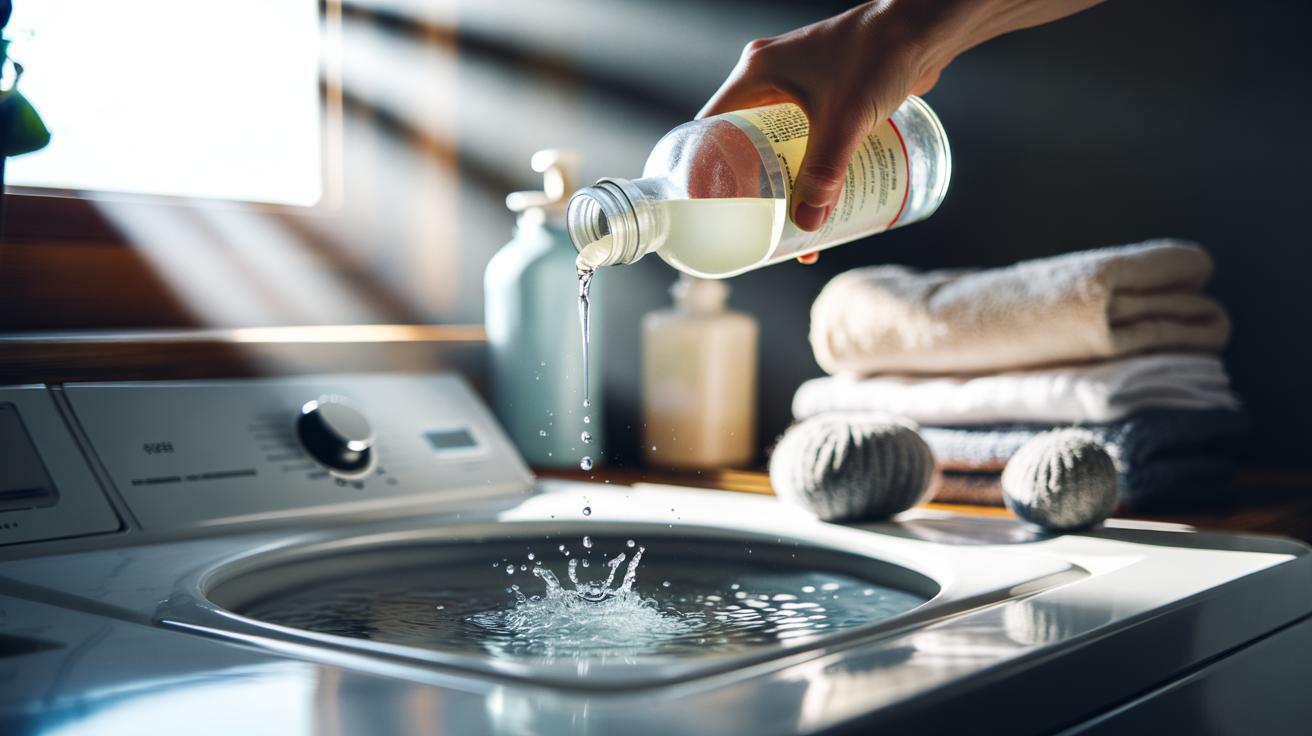
For seven loads over seven days, I shelved the familiar blue bottle and reached for white vinegar. Not a splash in the wash water, but a measured pour—about 60–120 ml—into the rinse compartment where fabric softener normally sits. I wanted to know what actually changes: feel, scent, static, machine health, and the bottom line. Early spoiler? Expect fresh, not perfumed, laundry. That’s a shift. But there were surprises, from crisper T‑shirts to towels that drank up water faster after showers. Here’s what happened, what didn’t, and where vinegar wins or wobbles in a typical British home.
The Weeklong Test: How Clothes Actually Felt
Softness, first. Vinegar doesn’t coat fibres; it neutralises leftover alkaline detergent and helps rinse it away. The result across cotton tees and bedding was a different kind of soft—less slippery, more naturally supple. Items felt lighter in hand, not waxy. Towels were the standout. Without the cationic film from softener, loops regained bite, so they absorbed better while still feeling comfortable. Denim relaxed but held shape. Synthetics like gym leggings felt clean, not smeary, with fewer clingy patches than expected once fully dry. Residue build-up dropped; greyed pillowcases brightened a touch because trapped surfactants finally moved on.
There were trade-offs. If you love that enveloping, perfumed hug, vinegar won’t deliver it; it leaves almost no lingering scent. On the touch front, microfibre cloths stayed grabby—great for wiping, less cuddly for faces. A wool jumper washed on a cool wool cycle came out airy, not fuzzy; no harm done, just honest texture. Elastane-rich sports bras felt fine after one week, though any acid, even mild, should avoid long soaks. Net effect: softness without smothering, and a more open, breathable drape on most fabrics.
Scent, Static, and Stains: Day-by-Day Notes
Day one with school uniforms and tees: a faint vinegary whiff in the drum during the rinse, gone by the end of the spin. On the line, nothing but “clean”. Indoors on an airer, expect fresh air rather than fragrance. Day three, gym kit: odour control impressed. Vinegar didn’t mask smells; it stopped them from setting, especially underarm areas where alkaline sweat loves to linger. Day five, towels and bath mats: absorbency up, drying time slightly down because there’s less residue clinging to fibres.
Static? A nuanced story. On mixed loads line-dried, cling barely showed. In the tumble dryer, pure polyester sparked more than with softener. Two fixes helped: shorter cycles and a couple of wool dryer balls to break contact. If you rely on the dryer for synthetics, plan an anti-static tactic. Stains weren’t its job; vinegar isn’t a stain remover. But it supported the detergent well by restoring the rinse’s pH, which improved the clarity of whites washed at 40°C. No dye runs, no weird blotches, just a clearer finish.
Safety note you shouldn’t skip: Do not mix vinegar with bleach. The combination can release chlorine gas. Keep vinegar in the rinse drawer only and skip it on any wash using chlorine products. That simple discipline preserves the benefits without risks—and it keeps your laundry room breathing easy.
Machine Health and Household Economics
Britain’s hard water is relentless. Vinegar’s mild acidity chipped away at light limescale in the drawer and around the seal, leaving fewer chalky flecks by week’s end. The drum smelled neutral. That said, appliance engineers warn against heavy, undiluted acid exposure on rubber components over time. Use vinegar only in the rinse compartment so it dilutes instantly, keep doses modest (60–120 ml), and don’t use it on every single load if you’re nervous. A monthly maintenance cycle at 60°C with detergent remains wise.
| Product | Typical UK Cost per 100 ml | Usual Dose per Load | Estimated Cost per Load | Notes |
|---|---|---|---|---|
| White Vinegar (5%) | £0.10–£0.25 | 60–120 ml | £0.06–£0.30 | Rinse-only; reduces limescale film |
| Fabric Softener | £0.15–£0.40 | 25–35 ml | £0.04–£0.14 | Perfume and anti-static coating |
On cost, softeners can still be cheaper per load if you buy big bottles and dose lightly, yet vinegar’s value rises in hard-water areas because it doubles as a gentle descaler. The hidden saving: fewer rewashes for lingering odours. The hidden cost: you may need dryer balls or a shorter tumble to tame static on synthetics. Keep expectations practical—vinegar is a rinse aid, not a fragrance system.
Environmental and Skin Considerations
Many high-street softeners rely on quaternary ammonium compounds and microencapsulated fragrances. They’re effective, but they can persist in waterways and occasionally irritate sensitive skin. Vinegar is simple: acetic acid and water. Biodegradable, dye-free, and light on the nose. For eczema-prone households, removing that quats film matters; it cuts the number of variables touching skin all day. After a week, no itching, no red necklines from collars. Just fabric, detergent, and a clean rinse. That trifecta suits baby clothes and gym kit where breathability trumps plushness.
There are boundaries. Don’t pre-soak silk or acetate in vinegar; delicate fibres dislike prolonged acid baths. Metal trims should be fine in a normal rinse but avoid splashing concentrate directly on zips and buckles. Colour security? Stable. Vinegar in the rinse lowers pH enough to calm dyes, not strip them. Septic tanks and greywater systems approve: fewer perfumes, fewer sticky residues. If you miss scent, add a few drops of essential oil to wool dryer balls rather than the drawer. Clean shouldn’t have to smell loud to be convincing.
After a week, I kept the vinegar in my routine—especially for towels, bedding, and anything that battles odour. Not every load, not dogmatically, but often. Softness felt honest, the drum smelled like nothing, and the washing machine looked less chalky around the edges. Static needed tweaks on synthetics; perfume lovers may still crave a dedicated scent. Yet the gains in absorbency and skin-friendliness were hard to ignore. If you swapped your softener for white vinegar for just seven days, what would you notice first: the quieter smell, the brighter finish, or the towels that finally drink up water again?
Did you like it?4.6/5 (25)